Introduction
When women notice thinning or excessive shedding, it can affect their confidence, self-esteem, and how they show up in the world. The reality is, women’s hair loss is incredibly common, yet it’s often not talked about openly.
At Let’s Get Hairy in New York City, we understand how emotional the experience of hair loss can be. Our focus is on helping you uncover what’s really happening beneath the surface and guiding you toward real, lasting solutions. Whether you’ve noticed gradual thinning, patchy loss, or increased shedding, the first step is understanding what’s causing it.

Unlike men, women rarely lose all their hair in one area. Instead, hair loss tends to show up as diffuse thinning across the scalp or a widening part line. For some, it’s subtle at first, while others see more rapid changes that can feel sudden and alarming.
Many factors, including hormones, genetics, stress, and overall health, influence hair growth in women. Hair naturally cycles through growth, rest, and shedding phases, but certain triggers can push too many follicles into the shedding phase at once. Once those follicles become inactive or miniaturized, the hair appears thinner, finer, and less dense.
Female pattern hair loss is a hereditary condition that causes hair follicles to shrink over time. The result is finer hair that grows more slowly and eventually stops growing altogether.
Women often notice thinning on the top of the head or around the part line rather than a receding hairline. This can happen at any age, but it is most common after hormonal changes such as menopause. Because the pattern of loss differs for men, the treatment approach must be tailored specifically for women. At Let’s Get Hairy, we use targeted therapies that help reactivate dormant follicles and improve scalp circulation to encourage natural regrowth.
At Let’s Get Hairy, female pattern hair loss is treated using targeted therapies that help reactivate dormant follicles and help improve circulation to your scalp. This may include PRP therapy to stimulate new growth, medical-grade products like Rogaine or Propecia to slow follicle shrinkage, or advanced restoration options such as FUE, FUT, or robotic hair transplants.
Telogen effluvium happens when a large number of your hair follicles enter their resting phase at once, leading to noticeable shedding. Several different things, such as stress, illness, significant weight changes, hormonal shifts, or certain medications, can trigger this. The shedding often occurs 3 to 6 months after the triggering event and can make your hair feel thinner overall.
At Let’s Get Hairy in New York City, our focus is on getting your scalp and follicles back to optimal health. Treatments such as PRP therapy, nutrient-rich scalp treatments, and laser therapy can help accelerate regrowth and minimize shedding. The team may also recommend lifestyle changes and nutritional support to help your hair recover faster.
Many new mothers in New York City will experience postpartum hair loss a few months after giving birth. During pregnancy, hormonal changes extend the growth phase of the hair cycle, which is why your hair often looks so much thicker and fuller. After delivery, your hormone levels drop, causing several hairs to shed all at once.
Most of our clients see regrowth within 6 to 12 months. At Let’s Get Hairy, postpartum clients often benefit from PRP therapy and scalp-strengthening treatments that encourage healthy regrowth and improve hair texture as the body adjusts.
As your estrogen levels drop during perimenopause and menopause, hair can become thinner, drier, and more fragile. This hormonal shift also allows testosterone to have a greater influence on the hair follicles, which can contribute to female pattern thinning.
To address this, Let’s Get Hairy in New York City focuses on restoring balance to our clients’ scalp environment and improving follicle performance. Treatments such as PRP therapy, FUE hair restoration, and medical-grade topical or oral therapies can help enhance density, improve scalp health, and create lasting improvements in volume and texture.
Constant pulling from ponytails, braids, buns, or extensions can stress hair follicles, leading to thinning or balding in areas along the hairline and temples. This condition is called traction alopecia.
The best treatment is to simply loosen your hairstyle and give your hair time to recover, while also using some of our therapies to strengthen your follicles to help prevent permanent damage. In New York City, Let’s Get Hairy can help restore it with follicle repair treatments, PRP therapy, and, in more severe cases, FUE or FUT hair restoration to fill in areas where follicles have been permanently damaged.
When our cortisol levels stay high for extended periods, it can disrupt the hair growth cycle and trigger shedding. Many will notice thinning during stressful life events or periods of intense anxiety.
Let’s Get Hairy helps our New York City clients achieve thicker, healthier hair within months through PRP treatment.
Hair is one of the first parts of the body to show signs of nutritional imbalance. Low levels of iron, vitamin D, or certain amino acids can lead to thinning or slower growth. Extreme dieting, smoking, and lack of sleep can also affect hair quality and density.
At Let’s Get Hairy, we give our clients personalized recommendations that may include supplements, medical-grade scalp treatments, and PRP therapy to help their hair regain its natural strength and vitality.
If you’ve noticed thinning, shedding, or changes in your hair density, it’s time to take the first step toward understanding what’s happening.
Call Let’s Get Hairy in New York City at (212) 328-9315 to schedule your consultation.
Your hair deserves care that’s as individual as you are. Let’s Get Hairy can help you take back control and feel confident in your hair again.

See what our Patients Say
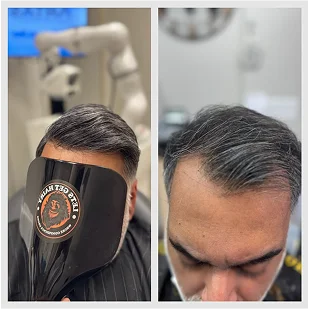
“I couldn’t be happier with my results! From my first consultation to the final follow-up, the team made me feel comfortable and confident in my decision. The procedure was virtually painless, and recovery was much quicker than I expected. My hairline looks completely natural, and I’ve already had friends and family comment on how much younger and healthier I look. I only wish I had done this sooner!”
Alfio Oliveira (Jay)
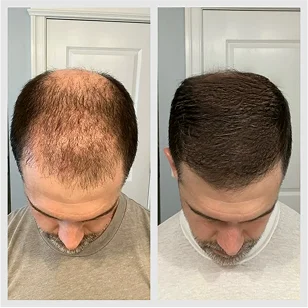
A friend of mine recommended Let’s Get Hairy on the Upper East Side after I saw his amazing results. I made an appointment, and right from the start, the communication was on point—they followed up with me, answered all my questions, and made the whole process smooth.
Big thanks to Slava, the hair specialist, who really took care of me. The results were immediate and the look is super natural. walked out feeling confident and fresh. Great team, great experience. Thank you again! I’ll definitely be back soon.
Danny K.
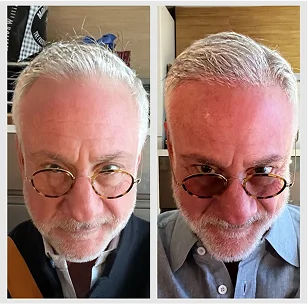
A friend of mine got his hair transplant here! I was amazed and referred my husband who had male baldness pattern, it completely changed his life! Hair is like makeup for men! He gained his confidence back!! Thank youuu letsgethairy!
Nicole V.